
As we move through the 2026 competition season, the tactical landscape has undergone a definitive shift. The debate over the “perfect” optic for multi-gun and tactical matches is largely over: the Low Power Variable Optic (LPVO) has claimed the throne. From the high-intensity stages of the Tactical Games to the surgical requirements of PRS Gas Gun matches, the LPVO is the undisputed tool for the modern competitor.
For the shooter looking to dominate the podium this year, it isn’t just about having the gear; it’s about mastering the synergy between speed and precision. This guide breaks down the essential strategies, technical insights, and gear trends for 2026.
I. Why the LPVO Defines the 2026 Competitive Circuit
The versatility of the LPVO matches the evolving complexity of 2026 stage designs. Match directors are increasingly pushing shooters to engage targets from 5 yards to 600 yards within a single string of fire.
- The 1x Advantage: At true 1x magnification, an LPVO functions like a red dot, allowing for both-eyes-open shooting and maximum situational awareness during close-quarter transitions.
- The 10x Reach: Modern innovations—seen in the Gunnr Thor and Odin series—provide the 10x magnification necessary for Positive Identification (PID) and precise holdovers on long-range steel.
- Optical Clarity: High-end glass, specifically Schott ED (Extra-Low Dispersion) glass, has become the 2026 standard. It eliminates chromatic aberration, ensuring that steel targets don’t “blur” into the background during midday mirage.
II. Technical Mastery: FFP and the “Match Zero”
To win in 2026, you must understand the mechanics of your optic. The choice of Focal Plane and Zeroing distance will dictate your speed on the clock.
1. The First Focal Plane (FFP) Revolution
In 2026, serious competitors have almost entirely migrated to First Focal Plane optics.
- The Benefit: In an FFP scope, the reticle grows and shrinks as you zoom. This means your “hash marks” (subtensions) are accurate at every magnification level.
- Why it Matters: If you need to take a 300-yard shot at 6x magnification because of a tight field of view, your FFP reticle holdovers remain true.
2. The 100-Yard Zero Philosophy
While the 50/200-yard zero is popular for general use, 2026’s elite competitors favor the 100-yard zero.
- It provides a consistent “base” for ballistic calculators.
- It simplifies holdovers; most modern BDC (Bullet Drop Compensation) reticles are designed to be “dead-on” at 100 yards, making every subsequent drop point more predictable.
III. 3 Pro-Tips for Match Day Success
1. Master the “Throw Lever” Transition
Matches are won and lost in the transitions. You should never be “hunting” for your magnification dial.
- The Drill: Practice the “blind snap.” While moving between barricades, your hand should instinctively find the throw lever, setting your magnification for the next target before the rifle is mounted.
2. Manage the “Eye Box” under Stress
High heart rates lead to inconsistent cheek welds.
- The Solution: Set your eye relief at maximum magnification. This ensures that even when your form is less than perfect under the clock, you won’t lose your sight picture to “scope shadow.”
3. Verify Your “Dope” with Match Ammo
Never zero with “plinking” brass and compete with “match” heavy OTMs. In 2026, ballistics are a game of inches. Verify your holdovers out to 500 yards with your actual match-day ammunition to ensure your reticle and your barrel are in perfect sync.
The 2026 competition season has officially arrived, and one thing is clear: the lpvo (Low Power Variable Optic) has become the undisputed “king of the hill” in the tactical and multi-gun world. Whether you are stepping onto the range for your first local 2-Gun match or traveling to the Tactical Games National Championship, your choice of glass will define your performance.
For the modern marksman, an lpvo optic isn’t just a scope—it’s a precision instrument that bridges the gap between a red dot’s speed and a sniper’s reach. In this guide, we’ll break down how to prepare, train, and win using high-performance optics like the Gunnr Odin LPVO scopes and the all-new Thor series.
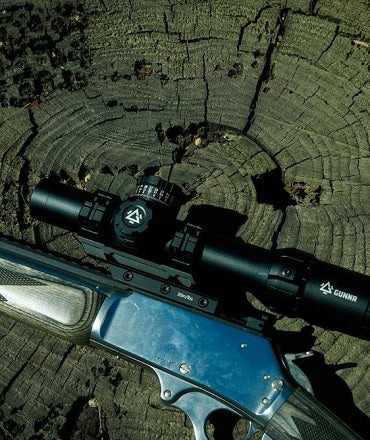
1. Why the LPVO Wins in 2026
Competition stages are becoming more complex. You might find yourself engaging a row of “shredder” targets at 5 yards, only to have to transition to a 450-yard steel popper within the same 30-second window.
- The 1x Advantage: At true 1x magnification, an LPVO allows you to shoot with both eyes open, maintaining peripheral vision and situational awareness.
- The 10x Reach: New innovations in 2026—like the Gunnr Thor 1-10x—provide the magnification needed to identify targets (PID) and utilize complex holdovers for long-range success.
- Schott ED Glass: In high-stress matches, “chromatic aberration” (purple fringing) can make it hard to distinguish a steel plate from a dark background. Premium glass eliminates this eye fatigue.
2. Choosing Your Focal Plane: FFP vs. SFP
Before you enter a match, you must understand how your reticle behaves. In 2026, the First Focal Plane (FFP) has become the standard for serious competitors.
| Feature | First Focal Plane (FFP) | Second Focal Plane (SFP) |
| Reticle Behavior | Reticle grows/shrinks with zoom. | Reticle stays the same size. |
| Holdover Accuracy | Accurate at any magnification. | Only accurate at max magnification. |
| Best For | Dynamic stages, ranging on the fly. | Fast, close-quarters speed (3-Gun). |
| Gunnr Model | Odin FFP / Thor FFP | Odin SFP (Speed Edition) |
3. The Competition Prep Checklist
Success at a match is 90% preparation and 10% execution. Here is your roadmap for 2026:
A. The “Match Zero”
Don’t trust a zero you set six months ago. Temperature shifts in 2026 can affect your point of impact.
- Zero at 100 Yards: This is the most reliable “base” for competition reticles.
- Check Your Cant: Ensure your scope is perfectly level. Even a 3-degree tilt can cause a miss at 300 yards.
B. Map Your “Dope”
“Data on Previous Engagement” (DOPE) is vital.
- Know your holdovers for 200, 300, 400, and 500 yards.
- Gunnr Tip: The Odin and Thor reticles are designed with high-visibility subtensions. Spend time on the range memorizing which “hash mark” corresponds to which distance with your specific match ammo.
C. Master the Throw Lever
Your magnification dial shouldn’t be stiff. Use a throw lever to move from 1x to 10x instantly. Practice the “blind reach”—you should be able to change magnification without taking your eye off the target.
4. Skills to Drill: The “Speed-to-Precision” Transition
Competitive shooting isn’t just about standing still. You need to be dynamic.
- The “Snap” Drill: Start at 1x. On the buzzer, engage three close targets. While moving to your next shooting position, snap your LPVO to 6x or 10x. By the time you mount the rifle at the next barricade, your magnification is already set.
- Managing the Eye Box: Competition often forces you into awkward positions—shooting under cars, through “V-tac” barricades, or off-roof simulators. Practice these positions to ensure your head is in the correct “eye relief” zone so the image doesn’t go black.
5. Gear Innovation: The Gunnr Thor Series
If you’re attending SHOT Show 2026 (Booth #43563), the Gunnr Thor 1-10×28 is a must-see for competitors.
- 7075-T6 Aluminum: Built to survive the “dump barrels” and barricade impacts common in matches.
- 28mm Objective Lens: Provides a wider exit pupil at 10x, making the “eye box” much more forgiving when you’re shooting under a high heart rate.
- Daylight Bright Illumination: In the bright sun of a Nevada or Texas match, you need a reticle that glows like a red dot.
Take the Podium
The leap from “participant” to “competitor” happens when you stop fighting your equipment and start using it as an advantage. By choosing a high-performance tactical rifle scope and mastering the mechanics of transitions, you turn every stage into a display of speed and precision.