
To the casual observer, Minecraft is simply a blocky, pixelated video game where players dig holes and stack cubes. To millions of parents, it might appear to be a digital distraction. However, looking closer reveals that Minecraft is one of the most profound educational tools of the modern era, masquerading as a game. Far from being frivolous entertainment, this sandbox phenomenon is a dynamic platform that inherently teaches children critical 21st-century skills—from complex engineering and problem-solving to economic theory and collaborative design.
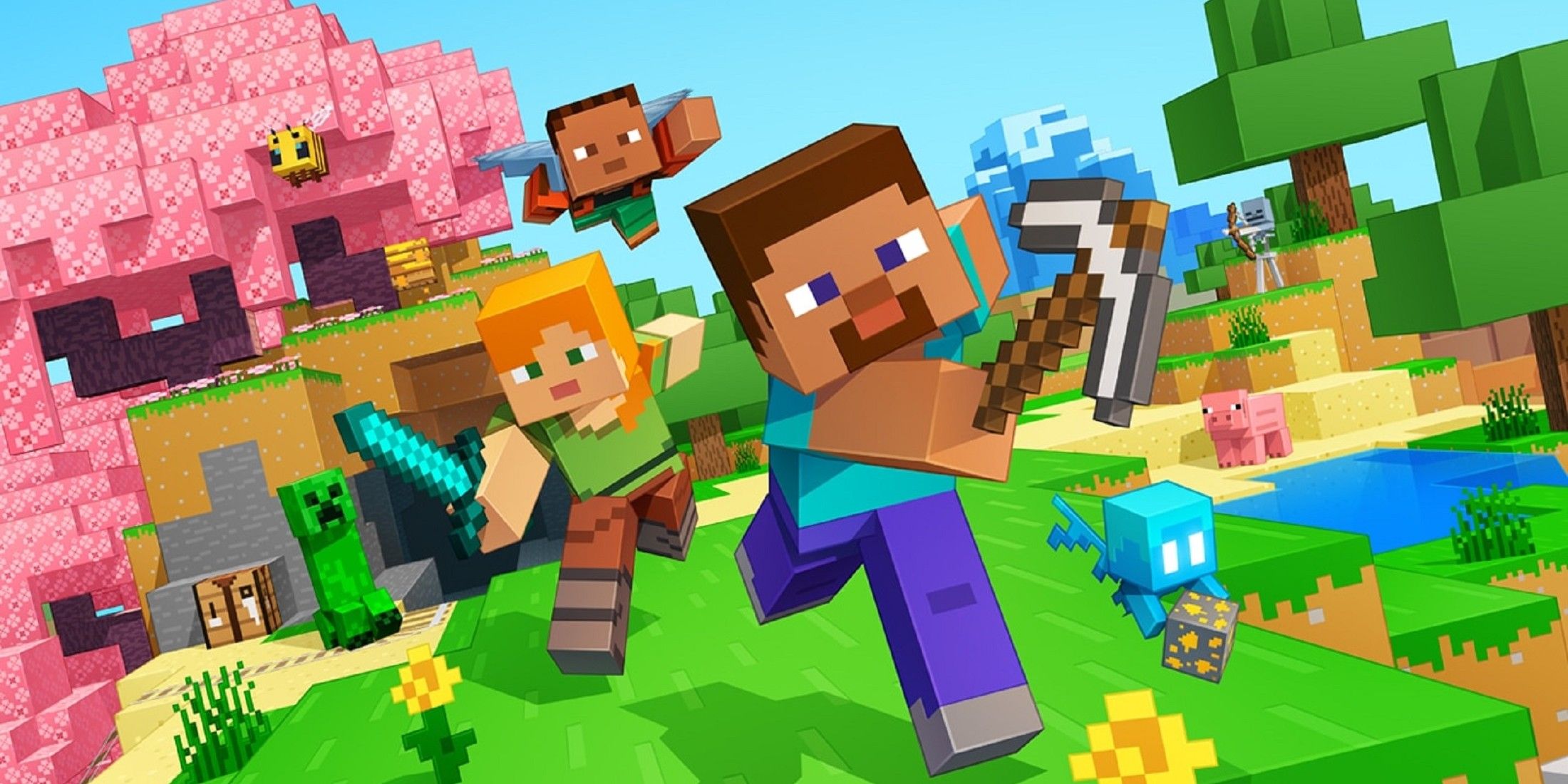
Minecraft is a unique blend of creativity and logic, offering children an environment with infinite resources and minimal rules, forcing them to supply their own structure, goals, and ambition. It is a curriculum hidden within a game world, equipping kids with the mental blueprints necessary to navigate a rapidly evolving technological future. Understanding what Minecraft is teaching your kids means recognizing the profound developmental benefits hidden beneath its simple, charming aesthetic.
I. Engineering and Design: The Fundamentals of Systems Thinking
The core mechanics of Minecraft are deeply rooted in real-world architectural and engineering principles, encouraging logical thought and spatial reasoning.
1. Structural Integrity and Scale
When building complex structures—from medieval castles to modern skyscrapers—children quickly learn intuitive lessons about gravity, support, and load-bearing capacity. They must plan their builds, measure dimensions, and calculate resources, replicating the foundational steps of architectural design. The constraints of the block-based world teach practical geometry and spatial awareness in a highly engaging way.
2. Redstone Circuitry: Introduction to Logic Gates
One of the most powerful and often overlooked aspects of Minecraft is Redstone, the in-game equivalent of electricity and circuitry. Using Redstone components, children learn to build complex contraptions like automatic doors, working elevators, digital clocks, and even functional computers.
- Practical Logic: Redstone forces kids to understand Boolean logic and circuit principles (AND, OR, NOT gates) to make things work. It’s a hands-on, visual introduction to coding fundamentals and engineering logic without ever writing a line of traditional code.
II. Resource Management and Economic Theory
Survival Mode in Minecraft is essentially a crash course in elementary economics, resource allocation, and risk management.
1. Value and Scarcity
Children must constantly manage their inventory, learning the relative value and scarcity of different resources. Diamond is scarce and valuable; wood and stone are common and less valuable. This teaches immediate lessons about supply, demand, and prioritizing resource gathering based on need.
2. Risk Management and Investment
Players must choose whether to risk resources on immediate needs (a quick shelter) or invest in long-term infrastructure (a mining operation or a farm). They learn that time and labor are resources themselves. If they fail to secure their resources or build a safe environment, they face consequences (losing their inventory), making the lessons immediately impactful.
III. Collaboration, Communication, and Community Building
When played on servers, Minecraft becomes a powerful platform for social and collaborative development, honing soft skills essential for teamwork.
1. Project Management and Delegation
Large-scale builds on multi-player servers require collaboration. Children must communicate ideas, delegate tasks, and negotiate compromises (e.g., “You handle the farming for food; I’ll handle the mining for iron”). This provides real-world practice in managing complex projects within a team structure.
2. Conflict Resolution and Digital Citizenship
Like any community, Minecraft servers face challenges: theft, griefing, or disagreements over creative direction. Children learn to navigate these social conflicts, establish rules (server governance), and enforce standards of digital citizenship, often developing leadership skills in the process of maintaining a cooperative environment.
IV. Conclusion: The Sandbox for the Future
Minecraft is far more than a game; it is an open-ended digital sandbox that fosters creativity, demands logistical planning, and rewards complex problem-solving. It teaches kids to think in systems, manage resources effectively, understand basic circuitry logic, and collaborate constructively toward a shared vision. By engaging with this deceptively simple world of blocks, children are not just having fun; they are intuitively absorbing the foundational principles of engineering, economics, and teamwork—the very skills that will define success in the technological world of tomorrow. The lessons are clear: in Minecraft, every block placed is a step toward building a sharper, more capable mind.
Would you like suggestions for specific educational challenges or projects that parents can introduce to their children within the Minecraft world?