
In the modern world, a functioning computer is less of a luxury and more of an essential utility. From managing finances and running businesses to connecting with loved ones and pursuing education, our lives are intrinsically linked to our desktop and laptop machines. When these devices falter—whether due to a crippling virus, a hardware failure, or frustratingly slow performance—the disruption is immediate and often catastrophic. This is where professional Computer Service becomes the digital lifeline, restoring functionality, safeguarding data, and ensuring the longevity of your investment.
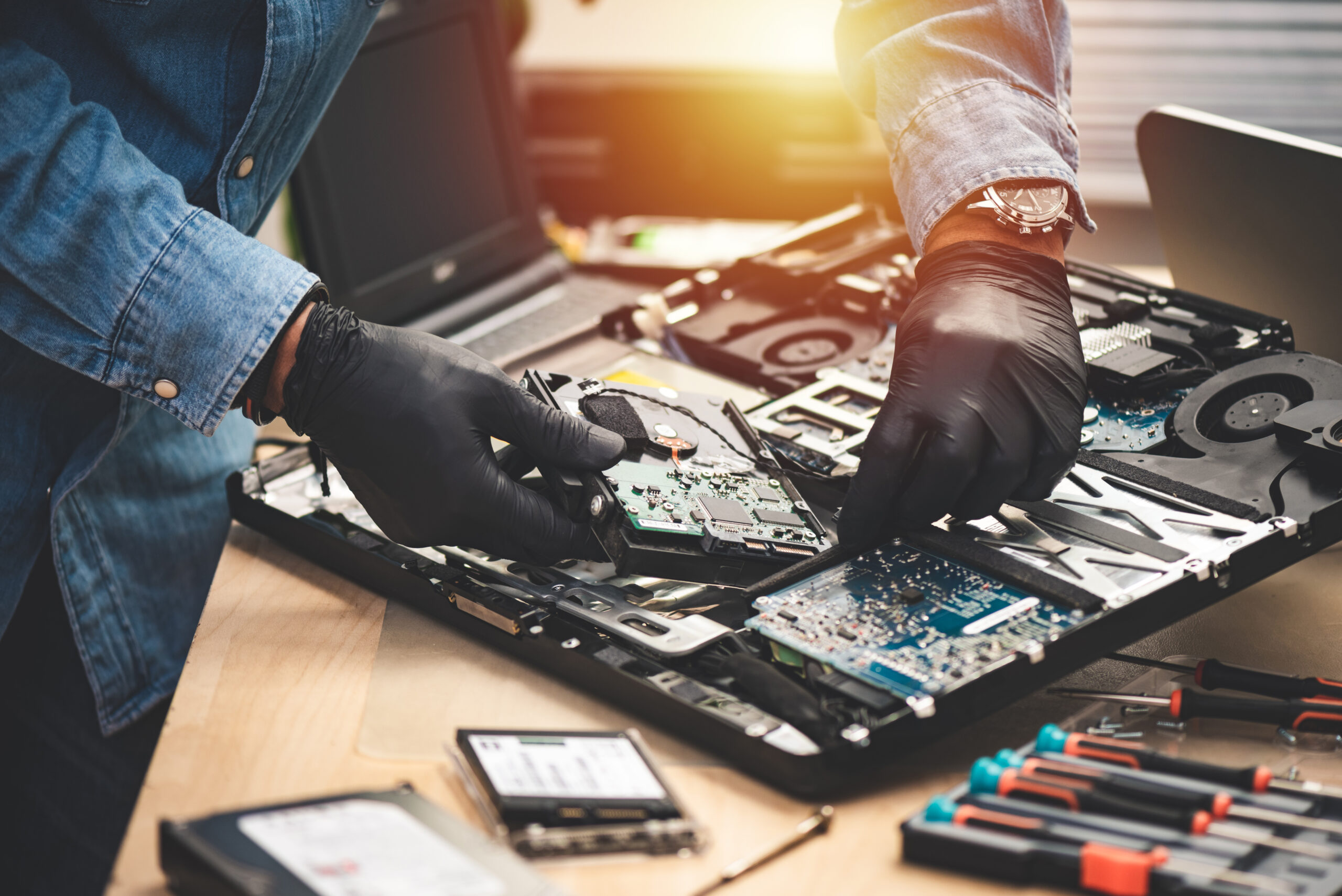
Computer service encompasses a broad range of technical support designed to diagnose, repair, maintain, and upgrade both the physical hardware and the complex software within a computing system. It’s a vital sector that keeps the digital world running smoothly, demanding expertise, precision, and an often-underestimated understanding of systemic troubleshooting. Understanding the various facets of professional computer service is the first step in protecting your digital life.
I. The Diagnostic Deep Dive: Identifying the Problem
The first and most crucial step in any computer service job is accurate diagnosis. Without correctly identifying the root cause of the failure, any attempted fix is merely a shot in the dark.
1. Hardware Failure Analysis
Hardware issues manifest physically: a dead monitor, a noisy hard drive, overheating, or a non-booting system. Technicians use specialized tools and procedures to isolate the faulty component.
- Key Areas: This typically involves testing the Power Supply Unit (PSU), checking RAM integrity, analyzing the Motherboard for signs of electrical failure, and running diagnostics on the Hard Disk Drive (HDD) or Solid State Drive (SSD) to preempt imminent data loss. Accurate hardware diagnosis often requires the ability to strip the machine down to its core components.
2. Software and Operating System (OS) Troubleshooting
Software problems are often more insidious, hidden behind error messages, sudden crashes, or sluggish performance.
- Common Issues: This covers everything from OS corruption (which prevents the computer from booting), driver conflicts (where software components clash), and registry errors to improper configuration of network settings. A technician must methodically trace the error code or symptom back through the layers of the operating system to find the corrupted file or conflicting program.
II. The Repair and Restoration Imperative
Once the problem is identified, the repair process moves into restoration, aiming to return the computer to its optimal state.
1. Virus, Malware, and Ransomware Removal
Modern threats are sophisticated and often aim to steal data or hold files hostage. Service professionals utilize specialized, updated antivirus and anti-malware suites to deep-scan the system and surgically remove threats that standard consumer software may miss. The critical service here is not just removal, but securing the system afterward to prevent reinfection and ensuring all files are clean.
2. Data Recovery and Backup
Often, the most valuable part of a computer is the data it holds (photos, documents, financial records). A key service offered by computer shops is data recovery from failing or corrupted drives.
- Prevention: Equally important is establishing a robust backup strategy—implementing both local (external drive) and cloud-based solutions to ensure that a hardware failure never results in permanent data loss.
3. Performance Optimization
This involves removing “bloatware,” cleaning temporary files, defragmenting HDDs (if still in use), updating drivers, and optimizing startup programs. The goal is to make a machine feel “new” again by minimizing background processes and ensuring the hardware resources are focused efficiently on the tasks the user needs.
III. Proactive Maintenance and Upgrades
Good computer service is not just reactive repair; it is proactive maintenance that extends the life and enhances the capability of the hardware.
1. Physical Cleaning and Thermal Management
Dust is the silent killer of computers. Over time, dust buildup acts as an insulator, trapping heat inside the chassis and causing components to overheat, leading to performance throttling and eventual hardware failure. Technicians professionally clean internal components, refresh thermal paste on CPUs and GPUs, and ensure fan functionality, directly improving the longevity and reliability of the system.
2. Strategic Upgrades
Instead of buying a new machine, strategic upgrades can dramatically boost performance at a fraction of the cost. The most common and impactful upgrades include:
- Installing an SSD: Replacing an old HDD with a modern Solid State Drive revolutionizes boot and load times.
- RAM Expansion: Increasing RAM capacity allows for smoother multi-tasking and faster performance in memory-intensive applications.
Conclusion: Investing in Digital Health
Computer service is an investment in digital health, providing the necessary expertise to handle the inevitable failures of complex modern technology. By relying on professional technicians for accurate diagnosis, thorough threat removal, reliable data recovery, and crucial proactive maintenance, users ensure that their essential devices remain fast, secure, and functional. A well-maintained computer is a dependable tool, and the services that keep it running are the unsung heroes of our digital, interconnected world.
Would you like a brief guide on the three simple maintenance steps a user can perform at home to extend the life of their computer?