
War games, in the context of both military simulation and complex strategy video games, are the ultimate test of foresight, resource management, and adaptable decision-making. These simulations are not merely about clicking faster or having superior forces; they are cerebral contests that demand a deep understanding of logistics, economics, and psychological warfare. Whether you are playing a digital grand strategy title or participating in a military staff exercise, mastering war games requires moving beyond simple tactical maneuvers to embrace overarching strategic principles.
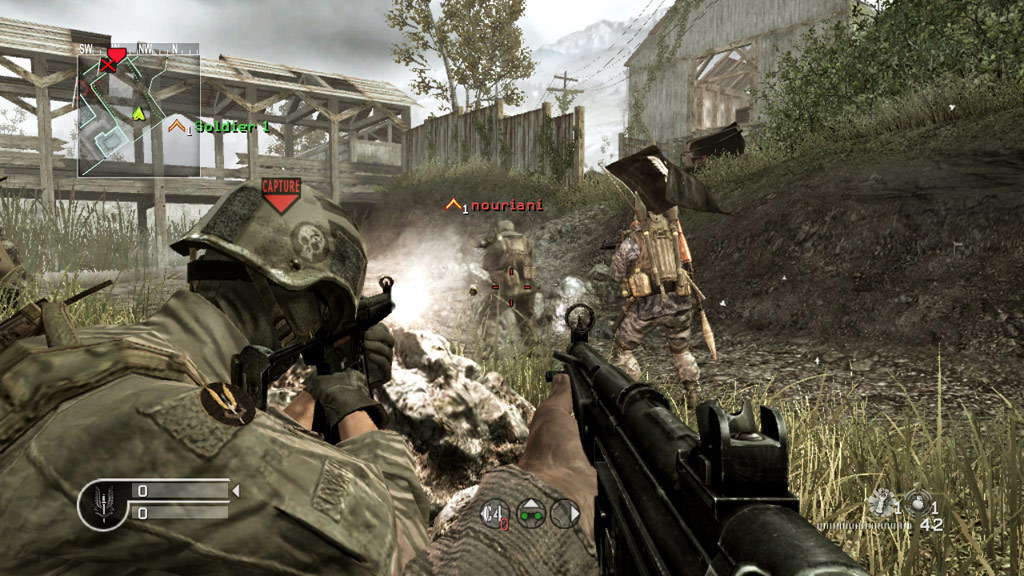
The enduring fascination with war games lies in their ability to distill the chaos of conflict into a manageable, decision-based system. Success is achieved not by reacting to the current turn, but by anticipating the opponent’s moves five turns ahead. This article deconstructs the essential strategic pillars that transform a competent player into a true architect of victory.
I. The Primacy of Resource Management and Logistics
Before a single unit is moved, victory in any war game is determined by the efficiency of its underlying economy and supply chain.
1. The Economic Engine
In strategy games, resources (whether they be gold, oil, food, or production capacity) are the blood flow of the empire. A successful player prioritizes building a resilient, self-sustaining economic engine that can absorb shocks and support continuous military expenditure.
- Key Strategy: Always seek to diversify resource acquisition. Relying on a single source or trade route makes your entire operation vulnerable to a single, successful enemy attack. The goal is not just to produce resources, but to ensure that production outpaces consumption and attrition.
2. The Supply Line Imperative
Logistics—the science of moving personnel and materiel—is often the most overlooked factor. Armies run on supply. In many complex war games, cutting an enemy’s supply lines is a more devastating move than winning a single battle.
- Attrition: Understand the concept of attrition. Moving units through unfavorable terrain or placing them far from home base imposes a hidden, constant cost on their health and efficiency. A strategic player wins by creating situations where the enemy’s logistics fail, causing their armies to wither without ever engaging in a pitched battle.
II. The Strategic Triad: Military, Diplomacy, and Technology
Victory rarely comes from a purely military effort. True strategic mastery lies in the harmonious balancing of three critical, interconnected spheres.
1. Diplomacy as a Weapon
War games are rarely one-on-one affairs. The diplomatic screen is as crucial as the battle map. Alliances serve two critical purposes: to provide security on one flank while you focus military power on another, and to gang up on a shared existential threat.
- The Fickle Friend: A master strategist views alliances as temporary tools, recognizing that today’s ally may be tomorrow’s greatest threat. Understanding the underlying motivations and power dynamics of your neighbors—not just their military strength—is essential for predicting when the diplomatic landscape will shift.
2. The Technological Edge
Technological superiority is the ultimate long-term strategic investment. Researching a new technology often provides an asymmetric advantage that an opponent cannot immediately counter, rendering their larger forces obsolete.
- The Race: Identify the key technologies that unlock strategic advantages in your current situation (e.g., naval dominance, rapid air travel, or advanced siege weaponry). A strategic player plans their tech tree not based on what is available, but based on what will give them the definitive qualitative edge over their immediate rivals.
III. Psychological Warfare and Adaptability
Ultimately, war games are played against human or simulated human minds, making psychological factors and mental agility critical.
1. Feints, Misdirection, and Deception
A strong strategic player seeks to control the opponent’s perception of the battlefield. This involves the use of feints (a simulated attack to draw forces away from the true target), intentional exposure of minor vulnerabilities to lure an opponent into a trap, and maintaining secrecy regarding major technological or military breakthroughs.
- Anticipation: The goal is to force the enemy to react to your moves, rather than you reacting to theirs. If you can force the enemy to commit resources based on false information, you have already won the strategic exchange.
2. The Flexibility to Pivot
No plan survives first contact. The most defining trait of a great strategist is not the brilliance of their initial plan, but the speed and ruthlessness with which they abandon it when circumstances change. A plan that worked perfectly in theory can become a liability the moment the opponent makes an unexpected move.
- Risk Assessment: Strategic success demands constantly weighing the risk of sticking to an old plan against the risk of the unknown consequences of a new one. This mental agility separates the rigid tactician from the adaptable strategist.
Conclusion: The Architect of the Outcome
Mastering war games is a holistic discipline that synthesizes economics, geopolitics, and human psychology. Victory is secured long before the final battle is fought, determined instead by the wisdom of your resource management, the finesse of your diplomacy, and the foresight in your technological investments. By moving beyond simple tactical unit maneuvers and focusing on the essential strategic pillars of logistics, integrated power management, and psychological control, you cease to be a mere participant and become the architect of the ultimate outcome.
Would you like a brief analysis of the differences between “strategic depth” and “tactical complexity” in war games?