
Long before the modern era of hyper-realistic graphics and cloud gaming, the interactive entertainment industry was defined by a legendary rivalry. In the late 1980s and 1990s, the battle for the living room was fought fiercely between Nintendo and Sega. While Nintendo relied on its family-friendly image, Sega established itself as the edgy, innovative underdog, bringing arcade-quality action, attitude, and revolutionary technology directly into our homes.
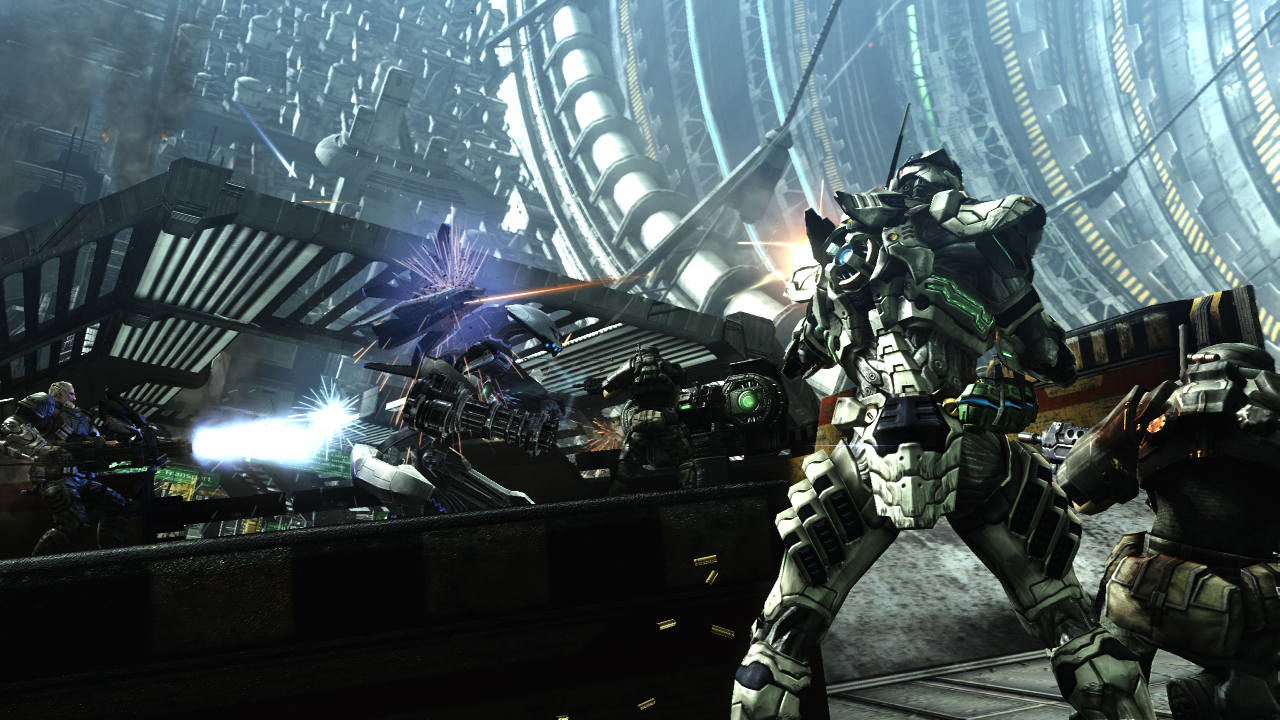
Sega’s legacy as a console manufacturer may have concluded with the beloved Dreamcast, but its impact on gaming history remains permanent. From blazing-fast platformers to genre-defining role-playing games, here is a celebration of the best Sega games of all time that shaped generations of players.
The Ultimate Blueprint of Speed: Sonic the Hedgehog 2
You cannot discuss Sega without mentioning its blue mascot. While the original Sonic the Hedgehog introduced the world to high-speed platforming, Sonic the Hedgehog 2 on the Sega Genesis refined the formula to absolute perfection.
The game introduced Sonic’s iconic companion, Miles “Tails” Prower, and gave players the game-changing “Spin Dash” mechanic, which allowed Sonic to build momentum from a stationary position. The level design was a masterclass in variety, transitioning seamlessly from the sun-drenched loops of Emerald Hill Zone to the vibrant, neon-lit pinball tables of Casino Night Zone. Backed by an unforgettable upbeat soundtrack composed by Masato Nakamura, Sonic 2 proved that games could be cool, fast, and fiercely competitive.
Arcade Perfection at Home: Virtua Fighter 2
During the mid-1990s, the gaming world was undergoing a massive shift from traditional 2D sprites to three-dimensional polygons. Sega was at the absolute forefront of this technological revolution in the arcades, and Virtua Fighter 2 on the Sega Saturn brought that revolutionary 3D fighting experience home.
Created by the legendary game designer Yu Suzuki, Virtua Fighter 2 abandoned the fantastical projectile attacks of its competitors in favor of realistic martial arts styles. It utilized fluid motion-captured animations and high-resolution textures running at a flawless 60 frames per second. Its deep, technical combat mechanics required precise timing and strategy, laying down the fundamental groundwork for every 3D fighting game that followed in its footsteps.
The Revolution of Alternative Culture: Jet Set Radio
When the Sega Dreamcast arrived, it brought an wave of experimental, highly creative titles that defied traditional genre labels. Leading this artistic charge was Jet Set Radio, a game that celebrated street art, inline skating, and alternative youth culture.
Jet Set Radio is historically significant for popularizing the “cel-shaded” art style, turning the game into a living, breathing Japanese comic book. Players controlled a gang of rebellious skaters, gliding through the fictional city of Tokyo-to to tag territory with graffiti while evading an over-the-top police force. Combined with a legendary, genre-blending soundtrack by Hideki Naganuma, the game was a brilliant explosion of style, audio design, and pure attitude.
The Ultimate Hack-and-Slash Anthem: Streets of Rage 2
In the golden era of the 16-bit console war, the side-scrolling beat-’em-up genre reigned supreme. Among the countless titles that populated the market, Streets of Rage 2 stands as the undisputed pinnacle of the genre.
Sega took everything that made the original game great and amplified it. The characters felt distinct, the combat hit with visceral impact, and the cooperative multiplayer gameplay was endlessly replayable. What truly elevated Streets of Rage 2 into the hall of fame, however, was its audio-visual atmosphere. The game featured a groundbreaking electronic dance and house music soundtrack composed by Yuzo Koshiro, making players feel like they were fighting their way through an underground club rather than just playing a video game.
Conclusion
Sega’s historical library is a powerful testament to a time when game developers were not afraid to take massive artistic and technological risks. The company’s philosophy was always rooted in pushing boundaries, whether that meant introducing blistering speed to a platformer, pioneering 3D animation, or embracing subcultures that traditional media ignored.
The best Sega games of all time are far more than just relics of nostalgia. They are timeless masterclasses in design, audio, and attitude that continue to inspire modern game developers today. Whether you look back fondly on the 16-bit days of the Genesis or still miss the forward-thinking innovations of the Dreamcast, Sega’s contribution to the cultural landscape of gaming will never be forgotten.