
In the vast, interconnected universe of digital technology, Computer Hardware Devices are the tangible, physical backbone that powers every action, thought, and transaction we perform. They are the components—the visible brain and muscular system—that take abstract instructions from software and translate them into physical results, whether that’s rendering a massive video file, calculating a spreadsheet, or displaying a simple webpage. Understanding hardware is essential because it dictates the speed, capability, and future upgrade path of any computing system.
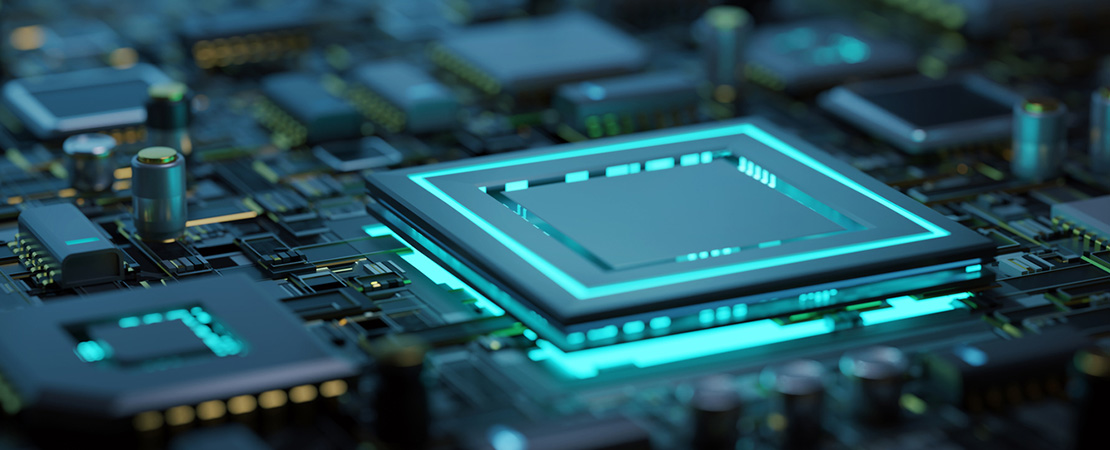
Far from being a static collection of parts, computer hardware is a dynamic ecosystem constantly evolving under the relentless demands for speed, efficiency, and graphical power. This article serves as an essential guide to deconstructing the primary categories of hardware, highlighting the function and critical importance of each device in creating the seamless digital experience we rely upon daily.
I. The Core Processing Unit: The Engine Room
The internal components of a computer are the engine room, where raw processing power is generated and managed. These devices are non-negotiable for any functional computer.
1. Central Processing Unit (CPU)
Often called the “brain” of the computer, the CPU executes instructions, performs calculations, and manages the flow of data between all other components. Its performance—measured by core count and clock speed—determines the computer’s overall responsiveness, particularly in demanding tasks like multi-tasking or data compression. The faster the CPU, the quicker and more efficiently the system can handle complex operations.
2. Random Access Memory (RAM)
RAM is the computer’s short-term memory. It holds the data actively being used by running applications and the operating system. When you open a program, the necessary data is loaded from slower storage (SSD/HDD) into lightning-fast RAM for immediate access.
- The Rule of Capacity: Insufficient RAM is the primary cause of slow performance, forcing the system to constantly swap data to slower storage. More RAM allows the computer to run more applications simultaneously without stuttering.
3. Motherboard (MoBo)
The motherboard is the physical spine of the computer—a large printed circuit board that connects and allows communication between all hardware components (CPU, RAM, GPU, storage, etc.). Its chipset and socket type determine the compatibility and maximum performance potential of the other devices.
II. Output and Input Devices: The Interaction Interface
These peripherals are the devices that allow humans to interact with the computer, translating digital signals into human-perceptible information and vice versa.
1. Graphics Processing Unit (GPU)
The GPU is a specialized processor dedicated to handling complex mathematical calculations necessary for rendering graphics, video, and 3D environments.
- Essential Function: While integrated graphics suffice for basic web browsing, a powerful, dedicated GPU is essential for gaming, video editing, graphic design, and running AI models. It frees the CPU to focus on non-graphical tasks.
2. Input Devices (Keyboard, Mouse, Webcam)
These devices are the eyes, ears, and hands of the user, translating physical actions into digital commands. The quality of input devices affects comfort, efficiency, and precision—a high-end mechanical keyboard or a precision mouse can significantly boost productivity and gaming performance.
3. Output Devices (Monitor, Printer, Speakers)
These convert digital information back into a usable format. The monitor, with its resolution and refresh rate, is particularly crucial, as it dictates the fidelity and smoothness of the user’s visual experience.
III. Storage Devices: The Long-Term Memory
Storage devices are the long-term memory of the computer, maintaining data even when the power is off. The evolution of storage has dramatically changed the speed and feel of modern computing.
1. Solid State Drives (SSD)
The current standard for primary storage, SSDs use flash memory and have no moving parts, resulting in incredibly fast data access speeds.
- Impact: Upgrading a computer from a traditional Hard Disk Drive (HDD) to an SSD is the single greatest performance boost a user can make, drastically reducing boot times and application loading screens.
2. Hard Disk Drives (HDD)
HDDs use spinning platters and magnetic heads to store data. While significantly slower than SSDs, they remain a cost-effective solution for large-scale, archival data storage where access speed is not the primary concern.
Conclusion: The Foundation of the Digital World
Computer hardware devices are the silent, yet critical, foundation of the digital world. The seamless performance we expect from our devices is a direct result of the speed of the CPU, the capacity of the RAM, the power of the GPU, and the rapid access provided by modern SSDs. Understanding the function and interaction of these core components empowers users to make informed purchasing decisions, troubleshoot performance issues, and unlock the full potential of their computing system. The visible brain is where all the digital magic begins.
Would you like a brief explanation of how the different types of storage (NVMe SSD, SATA SSD, and HDD) compare in terms of speed and best use case?